November 10, 2026
Planning a Gutter Replacement: What Homeowners Need to Know
By @replaceoldgutterspath
When To Consider New Gutters
Gutters are one of those home features that work quietly until they don't. A heavy rain reveals the trouble: water spilling over the sides, pools forming near the foundation, or rust stains running down the fascia. At that point, patching a section or cleaning out debris may not be enough. The system has reached the end of its service life, and the sensible step is to replace old gutters before the next storm causes damage to the roof edge, siding, or basement walls.
Age is a good starting point. Standard aluminum or galvanized steel gutters last roughly fifteen to twenty years in a climate like Atlanta's, where heat, humidity, and occasional hail accelerate wear. Seamless gutters, which are formed on site from a continuous coil of metal, can last longer because they have fewer joints where leaks start. If your gutters are showing cracks, sagging sections, or separations at the seams, those are clear signs that the material has fatigued. Waiting too long can turn a straightforward swap into a more expensive repair that involves rotted soffits or damaged roof sheathing.
Choosing the Right Gutter Material
Material is the first major decision in any gutter replacement project. Each option comes with a distinct balance of durability, appearance, and cost. Aluminum gutters are popular because they resist rust and are available in a range of colors that match trim. They can dent if a ladder leans against them, but they hold up well under normal conditions. Galvanized steel is stronger but prone to rust once the zinc coating wears through, especially in areas with heavy tree cover that traps moisture. Vinyl gutters are inexpensive and easy to install, yet they become brittle in strong sun and can crack under the weight of ice or a heavy branch. Copper gutters offer a long service life and a distinctive look that develops a patina over time, but the upfront cost is significantly higher. For most Atlanta homes, aluminum or seamless aluminum strikes a practical balance between longevity and budget.
Gutter Size and Slope
A common mistake during replacement is ordering the same size gutter without considering the roof area it serves. A standard five-inch K-style gutter works for most residential roofs, but a roof with a steep pitch, large surface area, or multiple valleys may need a six-inch gutter to handle the volume of water during a downpour. The slope, or pitch, of the gutter also matters. Gutters must tilt slightly toward the downspouts - typically a quarter-inch of drop per ten feet of run - so water flows rather than pools. If the fascia board is not level, the installer may need to adjust the hanger spacing or use a different mounting method to achieve the correct slope. Checking the slope during installation prevents standing water that leads to rust, mosquito breeding, and premature sagging.

Downspout Placement and Routing
Downspouts do more than just carry water to the ground. Their placement determines how well the system drains and where the water ends up. A typical house needs at least one downspout for every thirty to forty feet of gutter run, but houses with complex rooflines or large roof areas may require more. During a replacement, you have the chance to optimize downspout placement. Moving a downspout a few feet can redirect water away from a walkway or a basement window. It can also shorten the run of underground piping if you plan to connect the downspout to a drainage system that carries water to the street or a dry well. Downspout routing is especially important in Atlanta, where clay soil does not absorb water quickly, and improper drainage can cause foundation issues.
One improvement many homeowners add during a replacement is a leaf guard system. Atlanta has a healthy tree canopy, which means falling leaves, pine needles, and debris can clog gutters in a single season. A leaf guard, whether a mesh screen or a brush-style insert, sits over the gutter to keep out the bulk of the debris while allowing water to flow through. It reduces the frequency of cleaning and helps prevent clogs that send water under the shingles. The trade-off is that leaf guards add to the upfront cost and can themselves require occasional cleaning, especially if fine debris like pine pollen builds up on the screen. Still, for homes with overhanging trees, they are a practical addition.
The Replacement Process
When you decide to replace old gutters, the process typically starts with removing the existing system. The old gutters, downspouts, hangers, and any damaged fascia boards come off. This is a good time to inspect the roof edge for rot or deterioration. If the fascia is sound, the installer attaches new hangers, often at two-foot intervals, and then hangs the new gutter sections. Seamless gutters are formed on site by a machine that extrudes a continuous length of aluminum or copper, so there are no joints to leak except at the downspout outlets and corners. Sectional gutters, such as vinyl or standard aluminum, are joined with connectors and sealant. The choice between seamless and sectional affects both the labor time and the long-term reliability of the system.
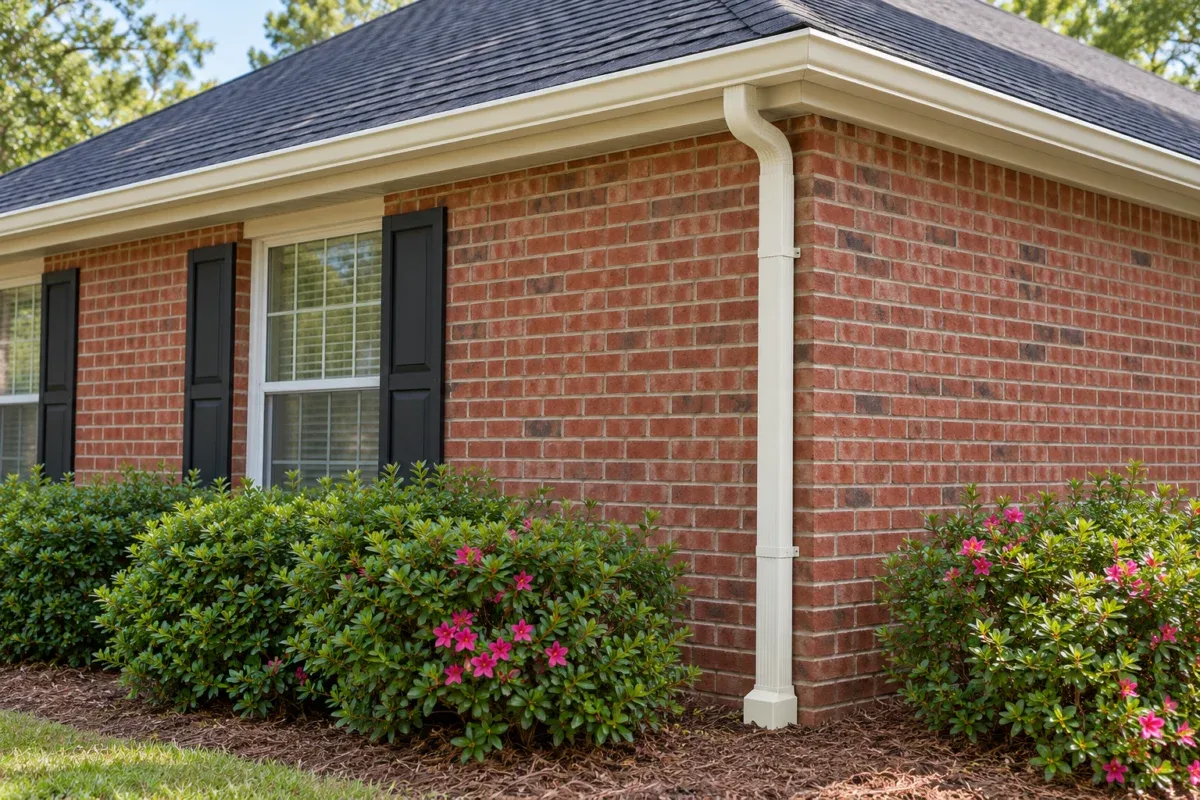
Downspouts are then cut to length and attached to the gutter outlets. The bottom of each downspout should extend at least a few inches past the foundation wall, or connect to a buried drainpipe. Splash blocks at the base help direct water away from the foundation, but they are a temporary solution. A better approach is to connect the downspout to a solid underground pipe that carries water to an appropriate discharge point, such as a dry well or a daylight drain. This step protects the foundation from the hydrostatic pressure that builds up in saturated soil.
Common Pitfalls to Watch For
Even a well-planned gutter replacement can go wrong if a few details are overlooked. One frequent issue is installing gutters that are too small for the roof area. As mentioned, a roof with a large surface area or a steep pitch generates more runoff than a small, shallow roof. Another pitfall is using too few hangers or spacing them too far apart. Gutters sag under the weight of water and debris if the hangers are set more than three feet apart. In areas with heavy snow or ice, closer spacing is better. A third problem is failing to account for thermal expansion. Aluminum and vinyl gutters expand and contract with temperature changes. If the sections are butted tightly together or the end caps are glued without allowance for movement, the gutter can buckle or separate at the seams. A proper installation includes expansion joints or slip joints at regular intervals, usually every forty feet or at each corner.
Another detail that gets overlooked is the pitch of the gutter run. A gutter that is level or that has a reverse slope will hold water, and standing water is a direct cause of corrosion, rust-through, and ice damage in winter. The installer should check the slope with a level during the hanger installation, not just assume the fascia board is straight. Finally, downspout placement matters. A downspout located at the low point of a gutter run is essential, but if it is placed too close to a corner or a roof valley, it can be overwhelmed by the volume of water coming off the roof. Spreading downspouts across the house reduces the load on any single outlet and improves the overall drainage.
How Long Does a New Gutter System Last?
The lifespan of a replacement system depends on the material, the quality of the installation, and the local climate. Seamless aluminum gutters with proper slope and adequate hangers can last twenty to thirty years with routine maintenance. Copper gutters can last fifty years or more. Vinyl gutters typically need replacement after fifteen years. Regular cleaning - at least twice a year, and more often if trees overhang the roof - is the single best way to extend the life of any gutter system. Leaves and debris trap moisture against the metal, accelerating corrosion. Keeping the gutters clear also prevents the weight of wet debris from pulling the gutters away from the fascia.
If you are considering a replacement, take the time to evaluate your home's specific needs. Walk around the house during a rainstorm and note where water collects, where gutters overflow, and where downspouts discharge. That information will guide decisions about gutter size, downspout placement, and whether you need a leaf guard or an underground drain. A thoughtful plan, executed with attention to slope, hanger spacing, and material choice, will give you a system that handles Atlanta's rainy seasons without trouble.

The decision to replace old gutters is not just about stopping a leak. It is about protecting the foundation, the siding, and the roof structure from water damage that can cost much more to repair later. A well-designed gutter system directs water away from the house efficiently and quietly. When it works right, you barely notice it. When it fails, water finds its way into places you cannot easily fix. Taking the time now to choose the right materials and ensure a careful installation will save you from that headache for many years.
❧